
This post may contain affiliate links. Please read my disclosure policy.
If you have Hashimoto’s, you’ve probably heard some version of this:
“But you don’t look sick.”
“Everyone’s tired.”
“Maybe you just need to exercise more.”
And every time it happens, something in you shuts down, because explaining how you actually feel feels harder than just staying quiet.
Hashimoto’s is an invisible illness. And when people can’t see what you’re dealing with, they often minimize it, dismiss it, or misunderstand it – even when they care about you.
This post is here to give you language.
Language that helps people understand what Hashimoto’s really feels like, without you having to over-explain, justify, or defend yourself.

Why Hashimoto’s Is So Hard to Explain
Hashimoto’s doesn’t show up the way people expect illness to show up.
You might:
- Look “fine” on the outside
- Have normal or borderline lab results
- Function well one day and barely the next
- Push through, until you crash
From the outside, it’s confusing.
From the inside, it’s exhausting.
Hashimoto’s isn’t just a thyroid problem. It’s an autoimmune disease – which means your immune system is attacking your thyroid, disrupting hormones, metabolism, energy production, digestion, and even mood.
But unless someone has lived it, that’s hard to grasp.
That’s where analogies help.
3 Analogies That Finally Make Hashimoto’s Click
These are the explanations I’ve found actually make people pause and say,
“Oh… okay. I get it now.”
1. The Bodyguard Analogy (Autoimmune Disease Explained)
Imagine your immune system is a bodyguard. Its job is to protect you.
In Hashimoto’s, that bodyguard gets confused and starts attacking you instead.
Not because you did anything wrong.
Not because your body is broken.
But because the immune system has misidentified the thyroid as a threat.
So even when you rest, eat well, and try to “do everything right,” your body is still under attack internally.
That’s why symptoms can persist even when you’re trying so hard.
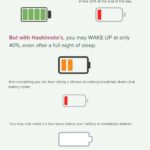
2. The Phone Battery Analogy (Why Energy Is So Unpredictable)
A healthy body is like a phone with a strong battery.
You wake up at 100%.
You use energy throughout the day.
You recharge at night.
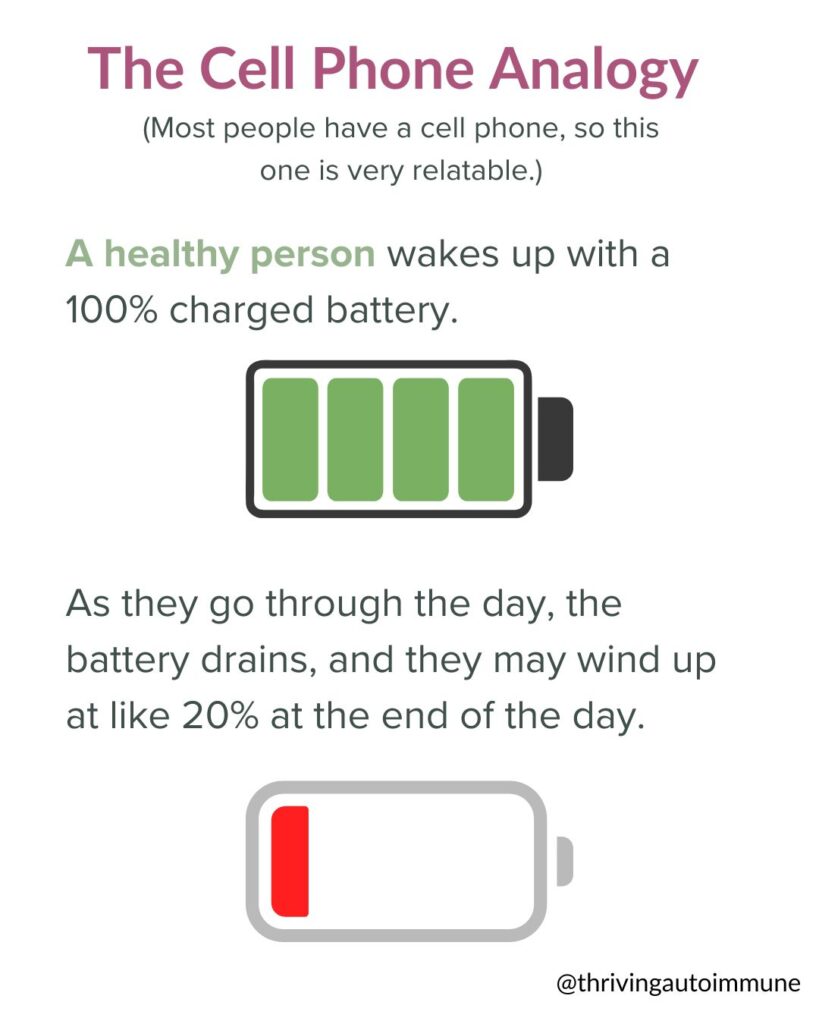
With Hashimoto’s, your battery might start the day at 40% — or 20%.
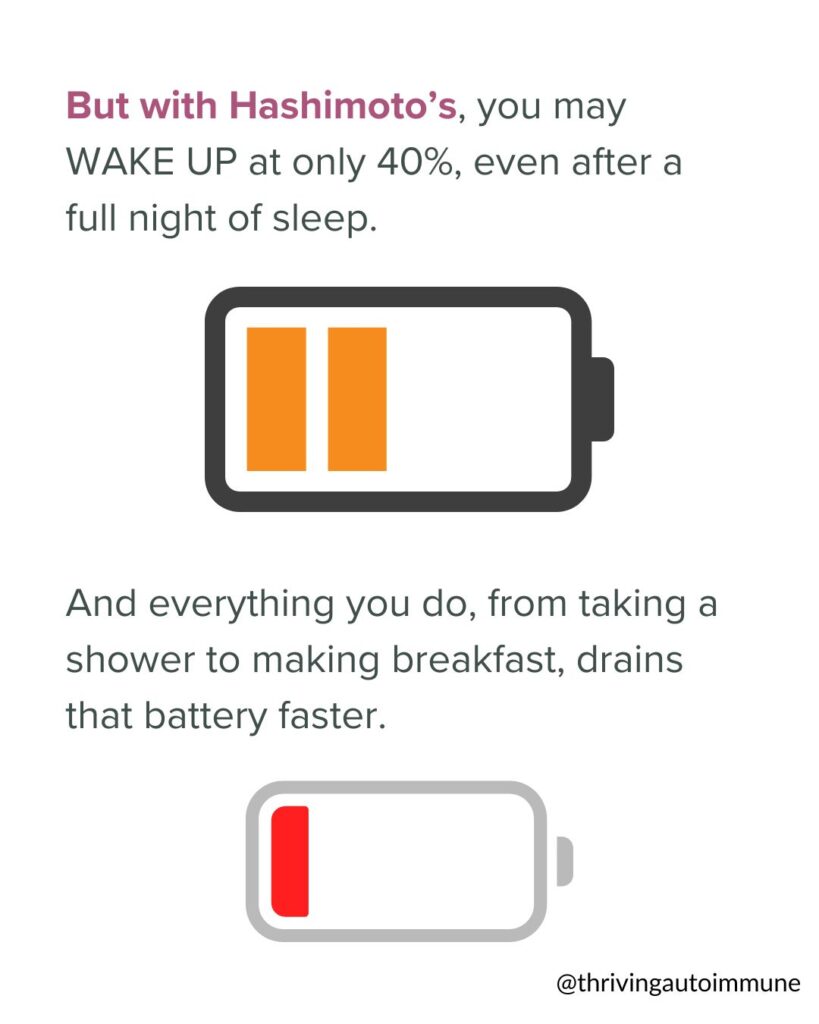
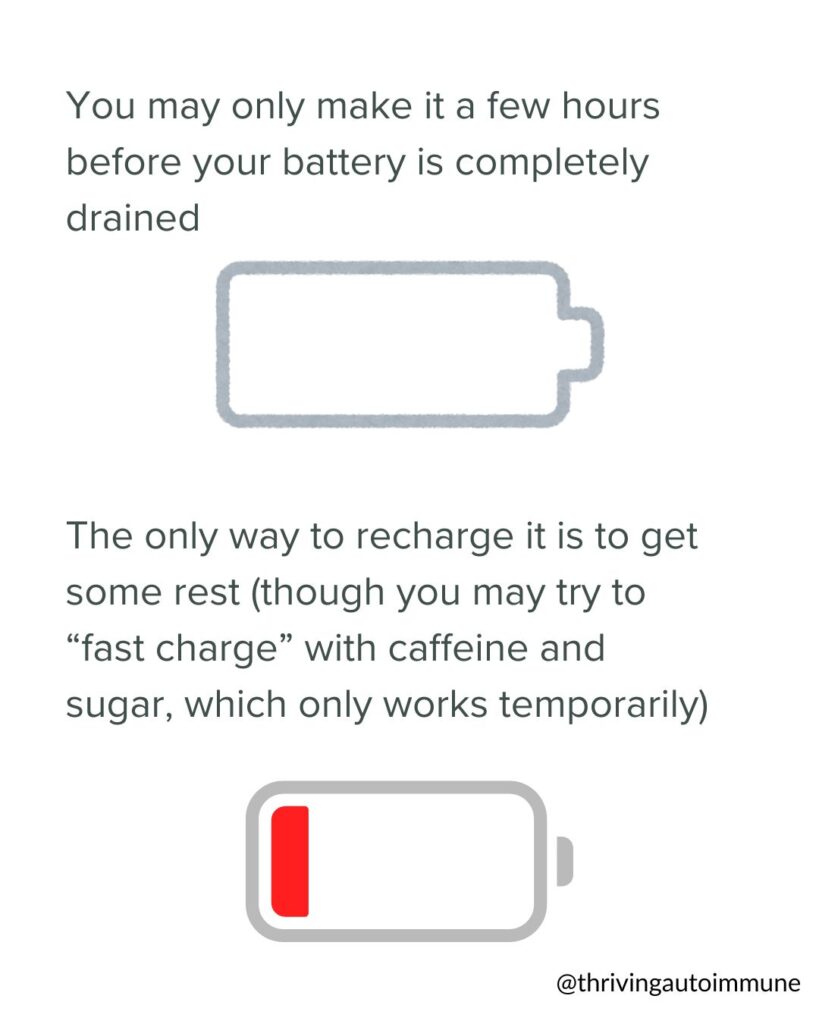
And the same activities that barely dent someone else’s battery, like showering, making dinner, having a conversation, can drain yours completely.
Once it’s gone, it’s gone.
You can’t “push through” a dead battery.
3. Spoon Theory (Why You Cancel Plans)
Spoon theory explains energy as a limited resource.
Each day, you get a certain number of spoons.
- Showering costs a spoon
- Working costs several
- Socializing costs more
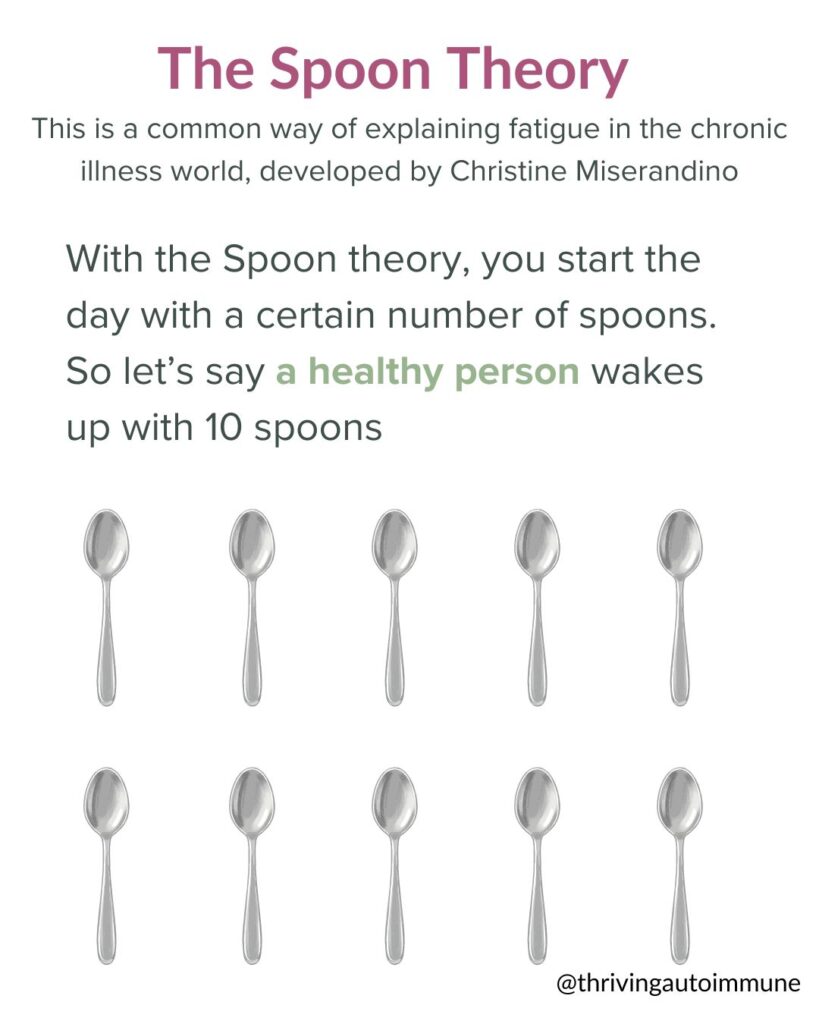
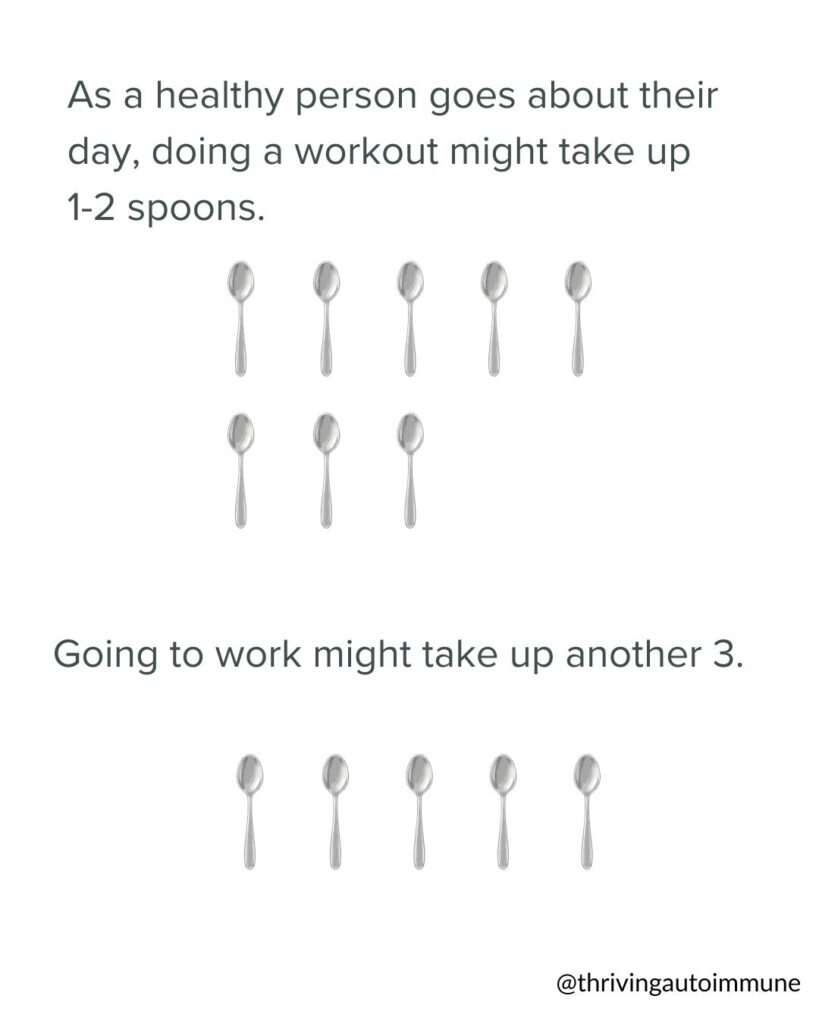
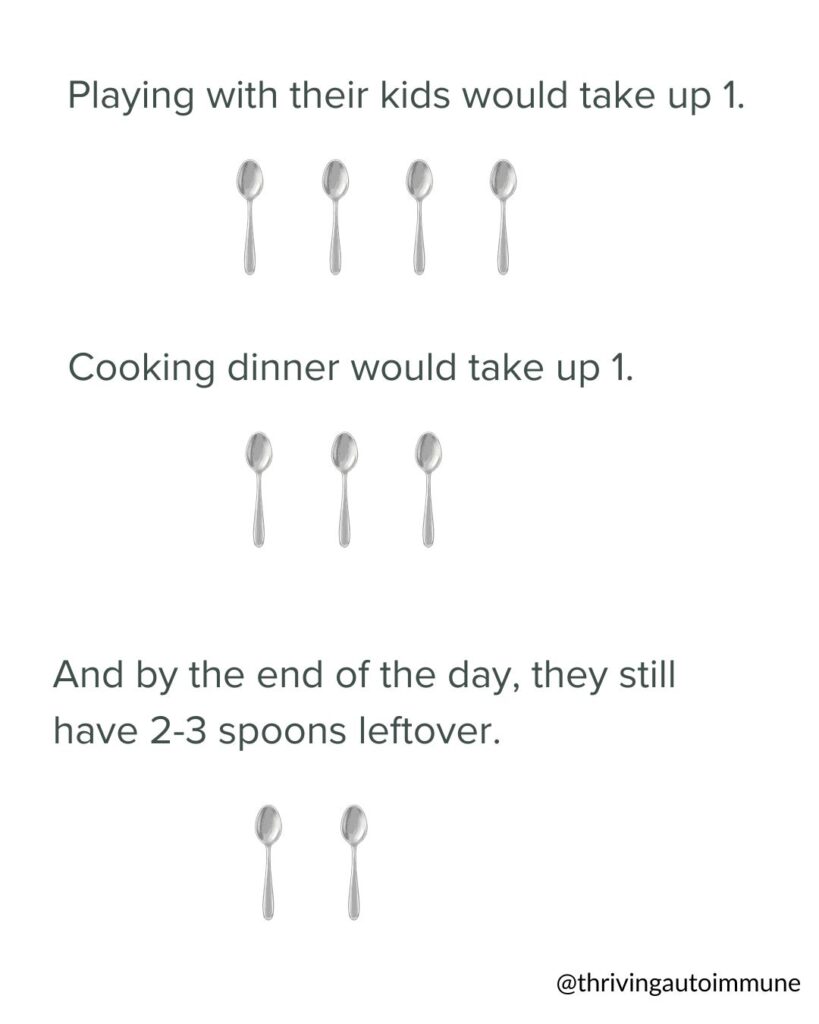
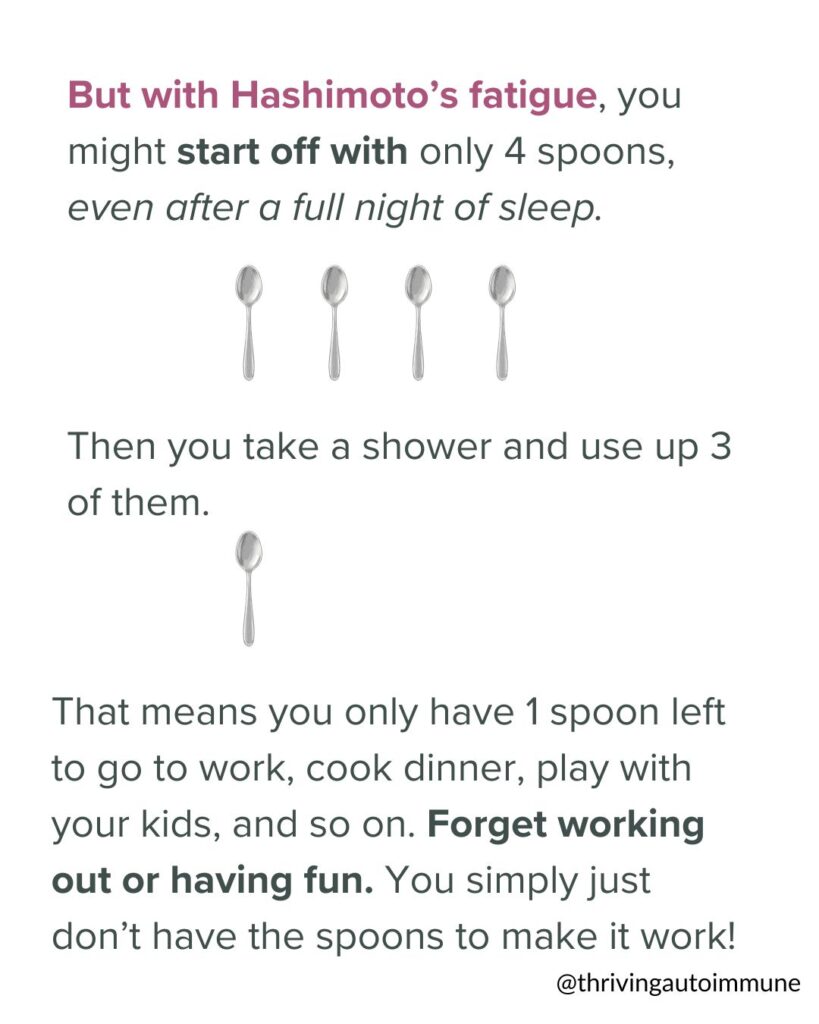
When you run out, you don’t just feel tired, you can crash for days.
Canceling plans isn’t flakiness.
It’s self-preservation.
What Hashimoto’s Fatigue Actually Feels Like
Hashimoto’s fatigue isn’t the kind of tired that sleep fixes.
It’s:
- Heavy, bone-deep exhaustion
- Brain fog that makes simple thoughts feel slippery
- A body that feels like it’s moving through mud
- Needing rest after resting
It’s not laziness.
It’s not a lack of motivation.
It’s a nervous system and immune system stuck in overdrive.
What to Say When Someone Asks, “How Can I Help?”
If someone genuinely wants to support you, here are simple things you can say (or send them this post).
You might say:
- “Please be patient when I have to cancel. It’s not personal. It’s my body hitting its limit.”
- “The most helpful thing you can do is believe me when I say I’m not okay.”
- “Help me protect my energy. Low-key plans mean more than big ones.”
- “If you want to understand more, I’d love to share something that explains it better than I can.”
Just feeling believed is medicine in itself.
Watch the Full Video Explanation
If you’d rather hear this explained, or want something you can send to a loved one, I walk through all of this in detail in this video:
They Don’t Get It? How to Explain Hashimoto’s So People Will Listen
Sometimes hearing it out loud makes all the difference.
A Gentle Note About Healing
Explaining Hashimoto’s gets easier when your symptoms aren’t running the show anymore.
Healing doesn’t happen through willpower or perfect behavior.
It happens when your body finally feels safe enough to repair.
If you’re ready for that next step, that’s the work I guide women through inside The Full Body Health Reboot – a structured, nervous-system-aware approach to reducing symptoms and rebuilding energy over time.
But for now, start here:
You’re not imagining this.
You’re not weak.
And you don’t owe anyone a better explanation than your body can give.



0 Comments